
The Real Problems With Fall/Winter Dressing (And How One Knit Dress Fixed Them)

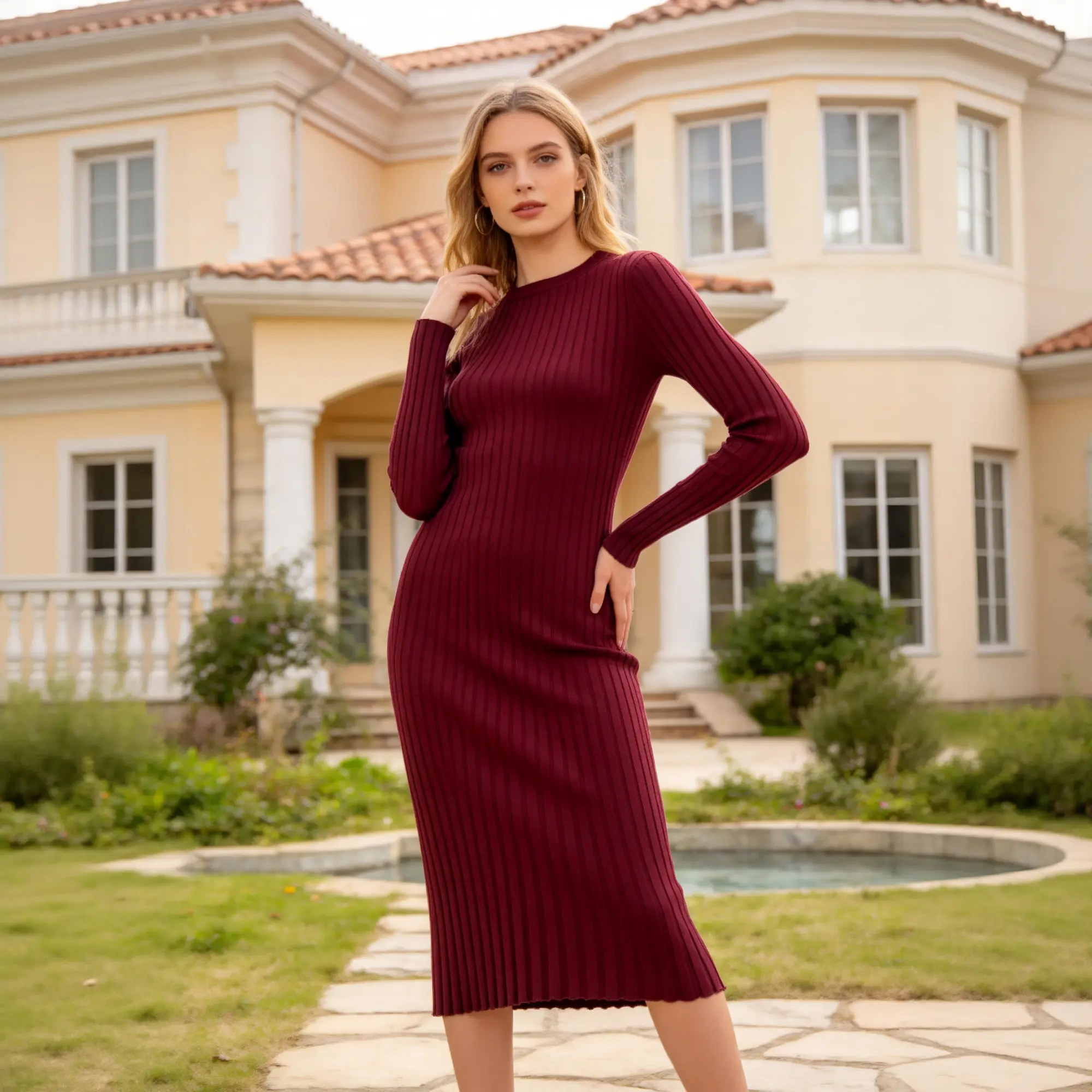
The Real Problems With Fall/Winter Dressing (And How One Knit Dress Fixed Them)
Every year once fall hits, getting dressed becomes a genuine headache. It’s not that I don’t have enough clothes — it’s the opposite problem, standing in front of a full closet and still not knowing what to wear. Big temperature swings, needing to stay warm without looking bulky, layering pieces that never quite match — I’ve spent the last couple of seasons figuring out a lower-effort way through it, so here’s what I’ve landed on, broken down by the actual problems.
Problem One: Big Temperature Swings Mean Changing “Outfits” All Day
The worst part of fall and winter is leaving the house cold, walking into an overheated office by midday, then heading home in the dark and cold again. If you’re wearing separates — top, jacket, pants — every temperature shift means adding or removing a layer, which gets messy fast on a commute.
I’ve found a ribbed knit dress actually handles this better than separates. The dress alone has enough warmth built in that you can add a coat or blazer when it’s cold and take it off indoors without the outfit falling apart — no “the whole look depended on the jacket” problem. One piece covers most of the temperature range on its own.
Problem Two: Dressing Warm Usually Means Looking Bulky
This might be the hardest trade-off in cold-weather dressing. A puffer over a thick sweater over leggings is warm, sure, but you can visibly feel yourself getting bulkier with every layer. It’s a big part of why so many people avoid photos in winter.
A turtleneck ribbed knit sweater dress solves this in a way separates usually don’t — the fabric has enough stretch to sit close to the body and follow your actual shape, so it doesn’t read as bulky even with the added warmth from the turtleneck and knit construction. I’ve compared this directly: the same warmth level in a fitted knit dress looks noticeably more put-together than two loose layers stacked on top of each other.
Problem Three: Sweaters That Itch or Pill After One Season
Pure wool sweaters scratching at your neck and wrists is a common complaint, and cheap knitwear pills and loses its shape after just a couple of wears — a wash cycle and it’s already shrunk.
A wool-blend fabric has been the fix for me. It’s noticeably softer against skin than pure wool, while still holding more warmth and drape than a fully synthetic knit — and it resists pilling and stretching out of shape far better over time. Dresses with ribbed trim at the collar and cuffs hold up particularly well here, since that detail keeps its shape even after repeated wear.
Problem Four: Dresses Are Warm but Hard to Walk In, Pants Are Practical but Not Dressy Enough
A lot of fall and winter occasions still call for something a bit more polished, but a knee-length or midi dress can be genuinely restrictive to walk in — especially if you’re rushing for a train or bus.
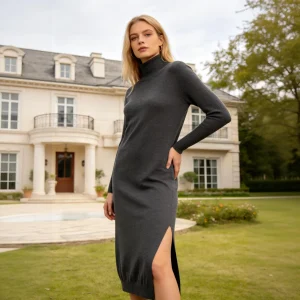
That’s why I’ve come to prefer midi dresses with a side slit specifically. You keep the polish and warmth a dress gives you, and the slit solves the walking problem without sacrificing how dressed-up the outfit looks.
Problem Five: Getting Dressed Every Day Takes Effort, and Cold Weather Makes It Worse
At the core, the biggest problem with fall and winter dressing is just fatigue — nobody wants to think hard about an outfit when it’s cold out. This is really why I’ve leaned harder into knit dresses over the past couple of years: one dress removes the top-and-bottom matching problem entirely, and if you pick a neutral color like camel or navy, you’re not spending mental energy figuring out if pieces go together.
Put the dress on, add a coat or blazer depending on the weather, switch up shoes if you want a different feel — the time and mental effort you save is honestly where most of the value is.
The Bottom Line
Fall and winter dressing really comes down to three things that are hard to get all at once — warmth, looking put-together, and not having to think too hard. This year, a handful of ribbed knit dresses — a basic crew neck style, a fluted hem version, a side-slit turtleneck sweater dress, and a camel wool-blend option — covered all three for me. If you’re still figuring out what to wear this season, it’s worth trying this approach before spending more time stressing over outfit combinations.


